17:40W28
First Time Escalating a Complaint? Five Checks, and the Order That Keeps Your Options Open
Most first-time complainants lose leverage in the first week, not the last, by taking the loud step before the quiet one that preserves it.
Legal Affairs4 min
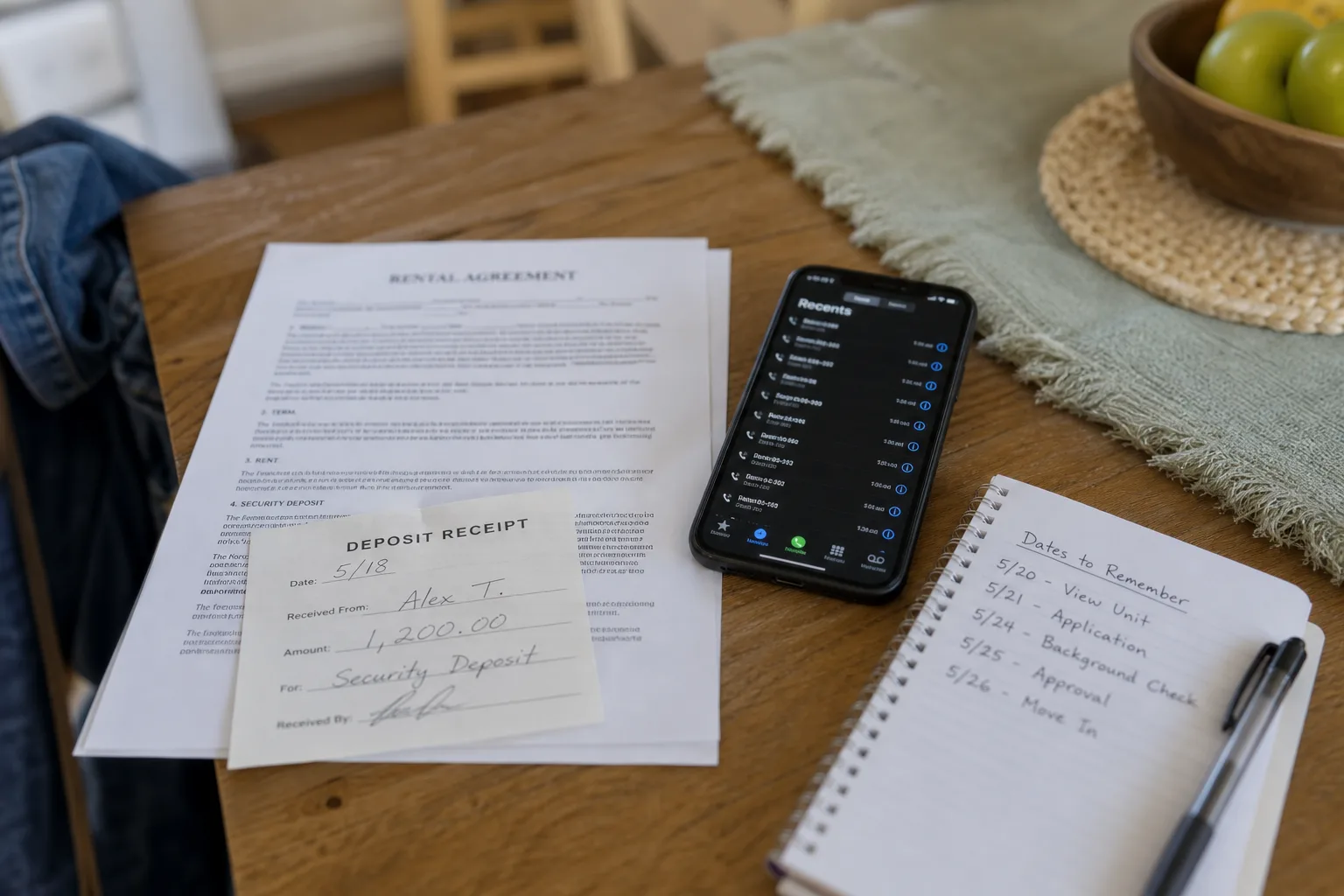
The person escalating a complaint for the first time almost always escalates in the wrong order, and the cost of that shows up weeks later in a form they never connect back to the decision. A refund arrives smaller than it should have been. A card dispute is declined on a technicality about timing. A deposit that looked recoverable turns out to have been forfeited by a sentence in an email the complainant wrote themselves. None of those outcomes announce their cause. They just land, and the person absorbing them assumes the company was always going to win.
1. Check whether step one has actually happened, in writing
Nearly every escalation path, whether it runs through a card issuer, a state licensing board, a trade association or a small claims filing, expects you to have complained to the other party first and to be able to prove it. A phone call to a service line does not survive that test unless you followed it with an email summarizing what was said and what was promised. First-timers skip this because the call felt productive, the representative was pleasant, and a formal letter felt aggressive. Then the record shows nothing, and the escalation stalls at the first question.
The fix costs one paragraph. Send an email that states what you bought, what went wrong, what you have already been told, and what you want done, with a date by which you would like an answer. That email becomes the anchor for everything after it.
2. Check which clock is running, because it is probably not the one you are watching
Most people watch the clock the business mentions, typically a return window or a warranty term, and miss the two or three others that decide more. Card networks impose their own limits on how late a dispute can be raised, counted from the transaction or the promised delivery date rather than from the day you gave up negotiating. Contracts often set a deposit forfeiture schedule that tightens as a start date approaches. The Federal Trade Commission oversees the federal cooling-off rule that applies to certain sales made away from a seller's usual place of business, and that window is short.
Write the deadlines down before you write anything else. If a long, friendly back-and-forth is going to run past one of them, you now know that, and you can escalate on schedule instead of on feeling.
3. Check who is holding the money, and what changes when that stops being true
Leverage in a consumer dispute is mostly a question of whose money is currently in the room. A deposit already paid and a final balance not yet due are two entirely different positions, and the second one is much stronger. This is the check first-timers most often get backwards: they pay the disputed invoice to be reasonable, or to stop a late fee, and then discover that the only remaining route is asking politely for money to come back. Paying under protest, stated in writing at the time of payment, preserves considerably more than paying quietly does.
The reverse error also exists. Withholding payment on a financed purchase, or stopping an automatic transfer without notifying anyone, can generate a delinquency that outlasts the argument. Withhold deliberately, in writing, with your reason attached.
4. Check whether the next step can be taken back
Escalations differ in one respect that matters more than their severity: some can be reversed and some cannot. An internal complaint can be withdrawn. A conversation with a supervisor can be reopened. A public review, a chargeback, a regulator filing and an attorney's letter each change the other side's posture permanently, because the matter moves from a person who can offer goodwill to a department that offers only what it is required to offer. Goodwill offers tend to disappear the moment a file acquires a case number, and they rarely come back.
So sequence the irreversible steps last, and take them one at a time. Filing three complaints in a week does not triple the pressure. It usually just produces three separate processes, each waiting on the others.
5. Check what you will actually accept, and write it down first
A complaint without a stated remedy invites the other side to choose the remedy, and they will choose the cheapest one that closes the file, typically a partial credit or a voucher. Decide in advance whether you want the work redone, the contract canceled with the deposit returned, a specific dollar amount refunded, or some combination, and put a number on it. Also decide the floor you would take today to be finished. Knowing that figure is what lets you recognize a good offer when it arrives on a Tuesday afternoon.
The order is the whole method: written complaint, deadlines mapped, money position protected, reversible steps first, remedy named. Run it that way once and the second dispute takes a fraction of the effort, because you will already have the habit of putting things in an email the same day they happen.